
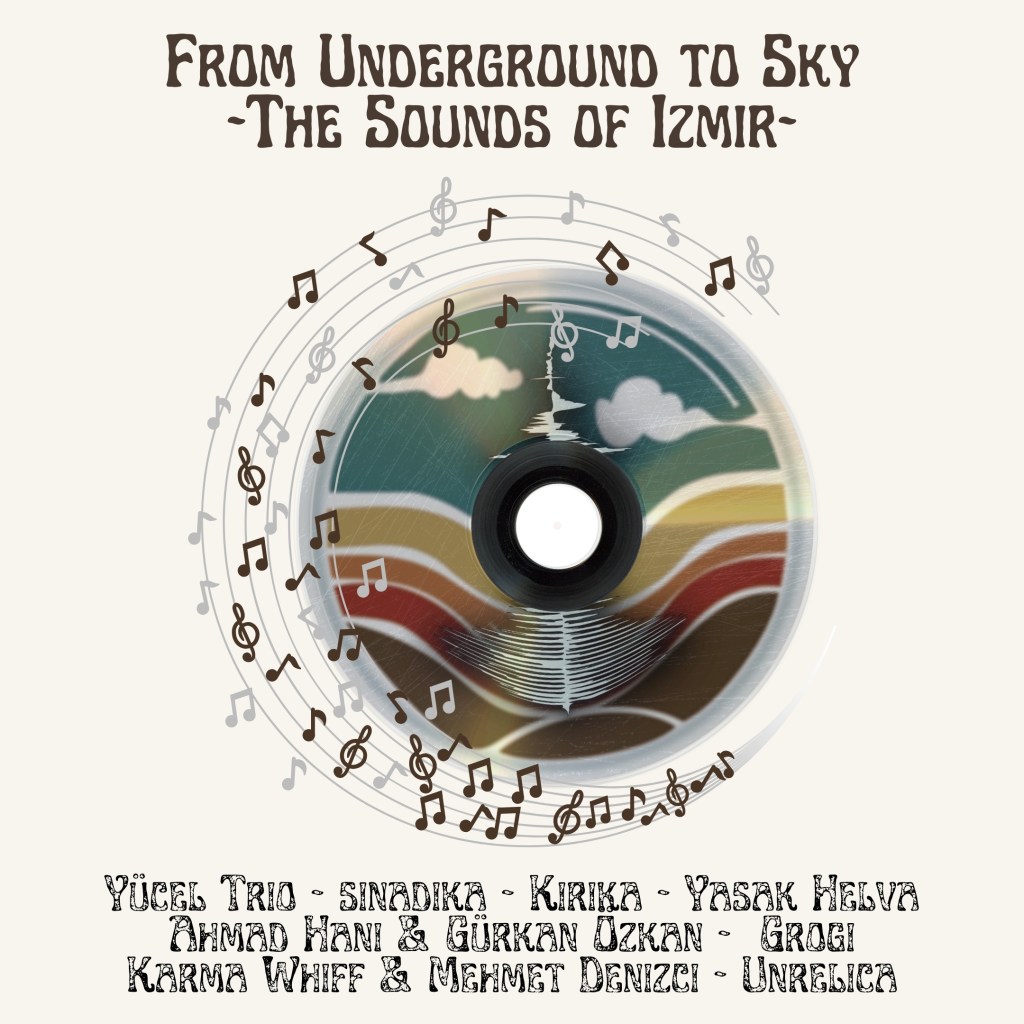
The project From Underground to Sky: The Sounds of Izmir (Yeraltından Gökyüzüne İzmir’in Sesleri) focuses on musicians who, despite financial difficulties, play a significant role in the musical heritage of Izmir. It will select eight groups to contribute, resulting in a music album, a documentary, and performance videos for social media.
As a second discipline, “cinema” joined the project, adding a new layer of creativity and storytelling. The entire recording process, including studio time and behind-the-scenes moments, will be meticulously documented and expertly edited into a captivating film that showcases the artistry involved. The result will be a diverse album featuring exceptionally talented musicians from Izmir, each bringing their unique style and sound to the project. Additionally, the documentary will provide an in-depth look at their inspiring performances, the collaborative atmosphere, and the intricate journey of creating the album, allowing audiences to appreciate not only the final product but also the hard work and passion that went into its making.
Supported by the Izmir Culture Fund (İzKF), the project is divided into three categories: Underground, Earth, and Sky. Each category encourages us to connect with our surroundings more deeply, exploring hidden stories in Underground, the beauty of nature on Earth, and our dreams in the Sky. This initiative emphasizes these themes and builds community, helping people to reflect on their experiences and connections to the world around them.
Before introducing the groups, we want to mention that we keep some terms in their original language to maintain authenticity and nuances, which helps readers better understand the concepts discussed.
Underground: Archaeological Music
This category represents the historical musical traditions buried beneath the soil, including both archaeological and ancient sounds, as well as the cultural stories they tell. These musical forms are essential for understanding the heritage of their regions, often reflecting the experiences and spirit of the communities. Two groups, Yücel Trio (Ege and Zeybeks) and Şinadika (Rebetiko, Smyrneika), contributed pieces in this category, showcasing their unique styles that keep these old traditions alive. Their work honors the past and encourages modern musicians to draw from these influences, helping to preserve cultural expression over time.
Yücel Trio, blending Aegean folk music with their original compositions, showcased their artistry during a mesmerizing performance of Gidem Gelem Şu Karesi Eline, captivating the audience with their rich melodies and intricate rhythms that reflect the cultural heritage of the region. The vibrant celebration of local musical traditions created an energetic atmosphere, inviting the listeners to immerse themselves in the enchanting sounds of the Aegean.
Şinadika, which preserves the underground archaeological music traditions of Izmir, particularly Smyrneika (Greek-influenced Izmir music) and Rebetiko (music from the Aegean islands), participates in the project with the piece Μάνα και θυγατέρα δύο / On Yedi Tek Düz. This performance shows their understanding and appreciation of these musical heritages and emphasizes the cultural importance of these genres in expressing community experiences and emotions. By combining modern interpretations with traditional elements, Şinadika creates a unique sound that connects both young and old, deepening their relationship with the historical stories found in the music.
Earth: Contemporary Music
The phrase “the earth is the music of today and here” refers to contemporary music. The album features four groups: Kırıka (Folkloric Psychedelic Rock), Yasak Helva (Electro Folk), Gürkan Özkan / Ahmad Hani (Jazz), and Grogi (Hip Hop/Rap). These artists represent the current musical scene in Izmir, creating original works and continuing their music despite economic challenges.
Kırıka, who recreated Izmir music with a completely different approach by taking rebetikos and zeybeks as a guide, came together again for this project. They released their first album “Kaba Saz” in 2008 and their second album “Yılların Ettiği” in 2012. The group, who had not played together for years, came from other cities for the project, rehearsed in Karaburun, and recorded Karaburun Zeybeği for this project.
Yasak Helva, consisting of 3 talented musicians who have each performed in a variety of completely different genres, such as death metal, pop rock, arabesque, Turkish folk music, jazz, and grunge, showcases a unique blend of musical styles that reflect their diverse backgrounds. Their eclectic influences converge to create a sound that they proudly call “electric folk,” a genre that not only pays homage to traditional folk roots but also incorporates modern elements, resulting in a vibrant and dynamic listening experience.
Yasak Helva, who uses electro-acoustic cümbüş, çağlama, bass and drum instruments on stage, draws inspiration from Anatolia, the Balkans, the Middle East and the Caucasus regions in their music, while occasionally making references to the classics of the jazz and rock world. Yasak Helva takes part in this project with the song called Basmane Sabah 4.00.
While mentioning Kırıka and Yasak Helva together, for enthusiasts, we recommend the Duble Salih project, which we call Saz Power. As the saying goes, ‘What’s better than one Salih is Double Salih with their saz (Bir elin nesi var, iki Salih’in sazı var)’.
With their song called Hazelcut, Ahmad Hani, a bass virtuoso, and Gürkan Özkan, a tabla virtuoso, enrich the project with their remarkable talents and unique musical styles that beautifully blend. The two artists take the listener on a sonic journey, experimenting with rhythms and melodies that evoke a sense of wonder and joy. They also offer a pleasant listening experience, immersing us in a world where traditional and contemporary music coexist.
Grogi and his team, who have attracted attention in recent years and are included in the project’s category of the earth that tells of living and breathing music today, are taking part in the project with a song called “İzmir,” a rap song with Turkish lyrics.
Sky: Abstract Music
What is meant by the sky is celestial, abstract, quantized music. In this genre, Karma Whiff & Mehmet Denizci (Electronica) and Unrelica (Ethnic Electronic) presented songs that transcend the ordinary auditory experience, inviting listeners to embark on a cosmic journey. These compositions evoke the imagery of vast celestial bodies and abstract landscapes through intricate rhythms and ethereal melodies.
Karma Whiff and Mehmet Denizci are prominent names in the Izmir music scene with their unique musical approach inspired by many different genres such as downtempo, organic house, dark disco and ambient, which combine organic and electronic sounds.
The duo uses live instruments like guitar, synthesizer, and flugelhorn in their performances and released their first EP, “Birth of Quiescence,” in 2022 with Kanto Records. They later released a single, “Beingless,” with Moose Records and are currently working on a new album. The duo actively performed in various cities and contributed a song called Bahar to their project.
The other group representing the project’s theme of the sky, Unrelica and his team, contributed their song Unrelic. From the beginning, they evoke the atmosphere of the piece with the word relic, meaning a sacred keepsake. Yavuz Cingöz, who has been drawn to the darker side of music since childhood, began creating electronic music with the dark ambient group Re-Creation and later focused on his solo works.
Gizem Güneş is one of the names who made the vocals of Unrelica’s first single, “Toprak Where is It?” and accompanied the musician as a vocalist in his works. Cansu Marangoz joined with her violin and supported the atmospheric structure in the piece.
Although eight groups cannot fully represent Izmir, the project aims to showcase a sample of today’s music, highlighting various genres that reflect its rich cultural diversity. By examining these musical expressions within its budget, the initiative seeks to make a mark in history and provide a resource for music historians and researchers interested in the topic. Additionally, the goal is to preserve the unique sounds and traditions of Izmir, promoting appreciation for its musical heritage and encouraging future generations to engage with this vibrant legacy.
For more detailed information about the recording process of the album and documentary, including behind-the-scenes insights, challenges faced during production, and exclusive content not available elsewhere, you can follow the project’s Instagram account.
